What Are Combat Sports? Types and Examples
You might not realize that combat sports have been part of human culture for thousands of years, evolving from ancient rituals to structured competitions. These sports encompass a variety of styles, each with unique techniques and philosophies. From the precision of boxing to the versatility of mixed martial arts, understanding these disciplines can deepen your appreciation for their complexity. But what really sets each type apart and how do they contribute to the broader world of athletics?
Understanding Combat Sports

Combat sports encompass a diverse range of physical contests where individuals engage in one-on-one combat, testing their skills, strength, and strategy.
Understanding these sports means grasping the rules and regulations that govern them, ensuring fair play and respect among competitors. Each discipline, from boxing to mixed martial arts, has specific guidelines that dictate how matches are conducted.
Safety measures are paramount, protecting athletes from serious injuries while allowing them to showcase their abilities. You’ll find that these regulations often evolve to enhance safety and fairness, reflecting the sport’s commitment to athlete welfare. To ensure participant safety, proper gear is essential in preventing injuries during training and competition.
The History of Combat Sports
As you explore the world of combat sports, it’s fascinating to contemplate their historical roots.
These sports have ancient origins that trace back thousands of years, showcasing humanity’s primal urge to compete and express strength. Their cultural significance is profound, as they often reflect the values and traditions of societies.
Here are three key milestones in the history of combat sports:
- Ancient Greece: The introduction of Pankration in the 648 BC Olympics, combining wrestling and boxing.
- Rome: Gladiatorial games that emphasized honor and skill in combat, influencing modern martial arts.
- Asia: The development of disciplines like Judo and Muay Thai, rooted in ancient philosophies and techniques.
Understanding these origins enriches your appreciation for the diverse forms of combat sports today.
Boxing: The Sweet Science

While many consider boxing a brutal sport, it’s often called “The Sweet Science” for a reason: it requires a unique blend of strategy, skill, and physical prowess. You’ll find that famous boxers like Muhammad Ali and Mike Tyson exemplified these qualities, showcasing the art behind the punches. Understanding boxing techniques is essential for appreciating the sport’s depth, from footwork to defensive maneuvers.
| Technique | Description | Famous Boxer |
|---|---|---|
| Jabs | Quick, straight punches | Floyd Mayweather Jr. |
| Hooks | Curved punches targeting the head | Joe Frazier |
| Uppercuts | Rising punches to catch opponents off guard | Tyson Fury |
Mixed Martial Arts: A Modern Fusion
Mixed Martial Arts (MMA) has rapidly gained popularity due to its dynamic blend of various fighting styles, engaging fans around the world.
This sport represents a fascinating evolution, combining elements from multiple disciplines. To get a deeper understanding, consider these aspects of MMA:
- Diverse Training Methodologies: Fighters incorporate techniques from boxing, Brazilian jiu-jitsu, Muay Thai, and wrestling, allowing them to adapt to any opponent’s strategy.
- Strategic Versatility: This fusion demands a mix of striking and grappling skills, promoting creativity and freedom in combat.
- Cultural Integration: MMA unites traditions from around the globe, making it a truly international sport that resonates with diverse audiences.
As you explore MMA, you’ll appreciate how it embodies the quest for personal and competitive freedom in combat sports.
Wrestling: The Art of Grappling

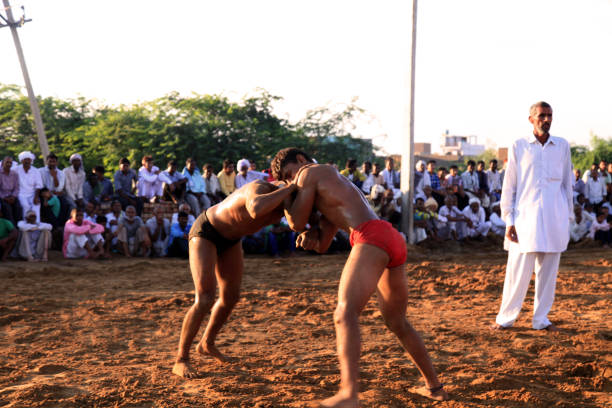
Wrestling, often regarded as the purest form of combat sport, focuses on grappling techniques to gain control over an opponent.
You’ll discover various wrestling styles, each requiring unique athletic conditioning and training methods. Competitive wrestling emphasizes match strategies that exploit your opponent’s weaknesses while maximizing your strengths.
Understanding weight classes is essential, as it levels the playing field and enhances the sport’s integrity. However, be aware that wrestler injuries can occur, making proper technique and conditioning vital.
As you explore wrestling, you’ll appreciate its blend of skill, strategy, and physicality. Scoring system is critical for determining match outcomes, influencing how wrestlers approach their techniques and strategies.
Whether you’re a participant or a spectator, wrestling showcases the art of grappling in a way that embodies both competition and personal growth.
Judo: The Way of Gentleness
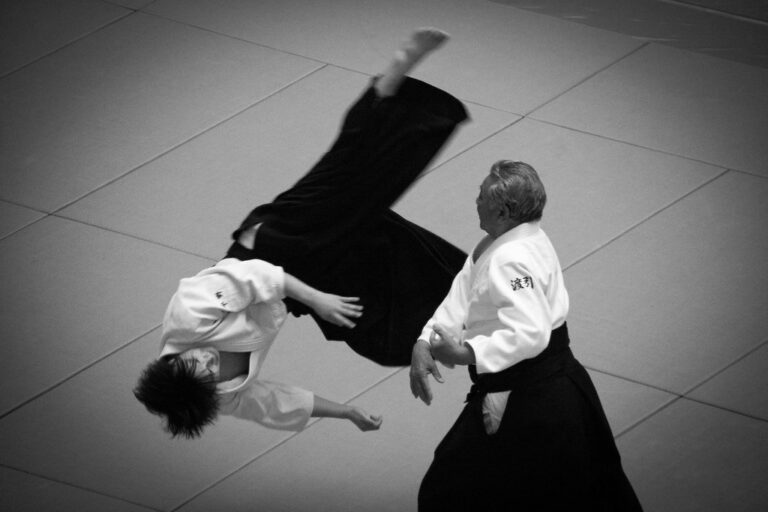
Judo, often referred to as “the way of gentleness,” offers a unique perspective on combat sports by emphasizing technique over brute strength.
Judo embodies “the way of gentleness,” prioritizing skill and technique over sheer force in combat sports.
This judo philosophy encourages you to use your opponent’s energy against them, promoting a blend of strategy and skill.
Here are three key aspects of judo’s gentle techniques:
- Balance: You learn to disrupt your opponent’s balance, making them vulnerable to throws.
- Leverage: Judo teaches you to apply leverage effectively, allowing smaller individuals to take down larger opponents.
- Fluidity: The art emphasizes smooth, flowing movements, making every action count.
Kickboxing: A Striking Combination

Kickboxing combines a range of striking techniques that challenge your coordination and agility.
As you explore its health benefits, you’ll find that this sport not only boosts your fitness but also enhances your mental resilience.
Plus, understanding the popular styles can help you choose the right approach for your training journey.
Techniques and Skills
Mastering the art of kickboxing requires a blend of various striking techniques and physical skills that can elevate your performance in the ring.
To truly excel, focus on these key areas:
- Striking Techniques: Develop powerful punches, precise kicks, and effective knee strikes. Each strike should be executed with speed and accuracy to overwhelm your opponent.
- Footwork: Good footwork keeps you mobile, allowing you to evade attacks and create openings for your own strikes. Practice lateral movement and quick pivots to enhance your agility.
- Grappling Skills: While kickboxing primarily emphasizes striking, incorporating grappling skills can be beneficial for clinch situations, helping you control the fight’s pace.
Health Benefits
While many people are drawn to kickboxing for its competitive edge, the health benefits it offers can be just as compelling. Engaging in kickboxing enhances your physical conditioning, as it builds strength, flexibility, and cardiovascular fitness.
You’ll notice improved endurance and muscle tone, leading to a more vibrant lifestyle.
Beyond the physical aspects, kickboxing also fosters mental resilience. The discipline required to master techniques and the focus needed during training sessions help sharpen your mind.
You’ll develop a sense of accomplishment with every progression, boosting your confidence.
Incorporating kickboxing into your routine not only equips you with self-defense skills but also promotes overall well-being, enabling you to thrive both physically and mentally.
Embrace this empowering journey!
Popular Styles
When exploring the exciting world of kickboxing, you’ll discover a variety of popular styles that cater to different preferences and skill levels.
Each style incorporates unique combat techniques and training methods, allowing you to find one that fits your goals.
Here are three notable styles:
- American Kickboxing: This style focuses on punches and kicks, emphasizing footwork and speed.
- Muay Thai: Known as the “Art of Eight Limbs,” it utilizes punches, kicks, elbows, and knees, offering a thorough striking approach.
- K-1: This style combines elements of traditional kickboxing with the dynamic techniques of Muay Thai and Karate, creating a diverse combat experience.
Taekwondo: The Way of the Foot and Fist

Taekwondo, often referred to as “the way of the foot and fist,” combines powerful kicking techniques and precise hand strikes that emphasize agility and speed.
Taekwondo blends agility and speed through striking techniques, embodying the essence of “the way of the foot and fist.”
This dynamic martial art isn’t just about physical prowess; it’s deeply rooted in taekwondo philosophy, which promotes respect, discipline, and self-improvement.
As you practice various taekwondo techniques, you’ll discover how each movement enhances your mental focus and physical conditioning.
The sport encourages you to push your limits while fostering a sense of freedom and confidence in your abilities.
Whether you’re a beginner or an advanced practitioner, taekwondo offers a structured path that challenges you to grow, not just as a fighter, but as an individual committed to lifelong learning and personal development.
Muay Thai: The Art of Eight Limbs
Muay Thai, often called the Art of Eight Limbs, combines rich history with a unique approach to striking.
You’ll explore various techniques and strategies that make this martial art both effective and graceful.
Plus, training in Muay Thai offers numerous physical and mental benefits that enhance your overall well-being.
History of Muay Thai
Although often overshadowed by more prominent martial arts, the history of Muay Thai reveals a rich tapestry of cultural significance and evolution.
Rooted in ancient warfare, this martial art reflects the spirit of Thailand and its people. Understanding its journey involves recognizing three key elements:
- Origins: Muay Thai emerged from military training, evolving from battlefield techniques into a respected sport.
- Muay Thai Traditions: Rituals like the Wai Khru pay homage to teachers and ancestors, emphasizing respect and discipline.
- Muay Thai Champions: Legendary fighters have elevated the sport, showcasing skill and valor, inspiring generations.
As you explore Muay Thai, you’ll appreciate its history and the freedom it embodies for practitioners worldwide.
Techniques and Strategies
The artistry of Muay Thai lies in its unique techniques and strategies, often referred to as the “Art of Eight Limbs.” This fighting style utilizes punches, kicks, elbows, and knees, allowing practitioners to strike with various parts of their body.
You’ll find that mastering these striking techniques is vital for effective offense and defense. By combining speed and power, you can create devastating combinations that overwhelm your opponent.
Additionally, grappling strategies play a significant role in controlling your opponent’s movement and positioning. Utilizing clinches, you can effectively neutralize an opponent’s strikes while setting up your own counters.
Understanding these elements not only enhances your technical skills but also empowers you to navigate the dynamic landscape of a Muay Thai match with confidence and creativity.
Benefits of Training
Training in Muay Thai offers a multitude of benefits that extend beyond physical fitness.
You’ll not only enhance your physical conditioning but also cultivate mental resilience, empowering you in everyday life.
Here are three key benefits:
- Improved Physical Conditioning: You’ll develop strength, flexibility, and endurance, making daily activities feel easier and more enjoyable.
- Mental Resilience: The challenges faced in training build your determination and focus, helping you handle stress and adversity with greater ease.
- Self-Defense Skills: Learning practical techniques equips you with the ability to protect yourself, fostering a sense of freedom and confidence.
Embracing Muay Thai can transform your body and mind, allowing you to experience life with greater empowerment and liveliness.
The Future of Combat Sports
As technology continues to evolve, the future of combat sports is likely to be shaped by innovations that enhance training, viewing experiences, and athlete performance. You can expect to see virtual competitions become more prominent, allowing fighters to compete in immersive environments without the risks associated with physical matches. This shift not only boosts accessibility but also prioritizes athlete safety.
| Innovation | Impact on Training | Future Potential |
|---|---|---|
| Virtual Reality | Simulates fight scenarios | Safer, more effective training |
| Wearable Tech | Monitors performance | Data-driven insights |
| AI Coaching | Personalized strategies | Tailored training plans |
| Live Streaming | Broader audience reach | Engage fans worldwide |
| Enhanced Analytics | Improves decision-making | Elevates competition level |
Embrace the future of combat sports!
Frequently Asked Questions
What Are the Health Benefits of Practicing Combat Sports?
Practicing combat sports boosts your physical fitness and builds mental resilience. You’ll enhance strength, agility, and endurance while developing discipline and focus. These skills empower you, promoting confidence and a sense of freedom in your life.
How Do I Choose the Right Combat Sport for Me?
Choosing the right combat sport’s like picking a lifelong partner. Consider your style preferences and personal goals. Immerse yourself in various disciplines, feel the energy, and find what ignites your passion and fuels your freedom!
Are There Age Restrictions for Participating in Combat Sports?
Yes, there are age limitations for youth participation in combat sports. Typically, organizations set minimum ages for safety, but requirements can vary. Always check specific rules for your chosen sport to guarantee compliance and safety.
What Safety Measures Are in Place During Combat Sports Events?
Imagine a knight donning armor before battle; similarly, in combat sports, you’ll find rigorous referee protocols and mandatory medical examinations ensuring fighters’ safety. These measures guard against injury, allowing you to compete freely and confidently.
How Can I Get Started in Combat Sports Training?
To get started in combat sports training, find beginner classes at a local gym. Invest in essential training equipment like gloves and pads, and practice consistently to build your skills and confidence in the sport.