Skiing Equipment and Gear List
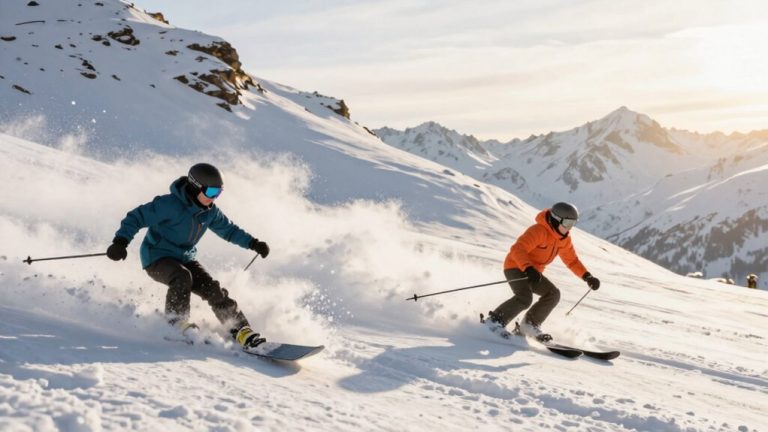
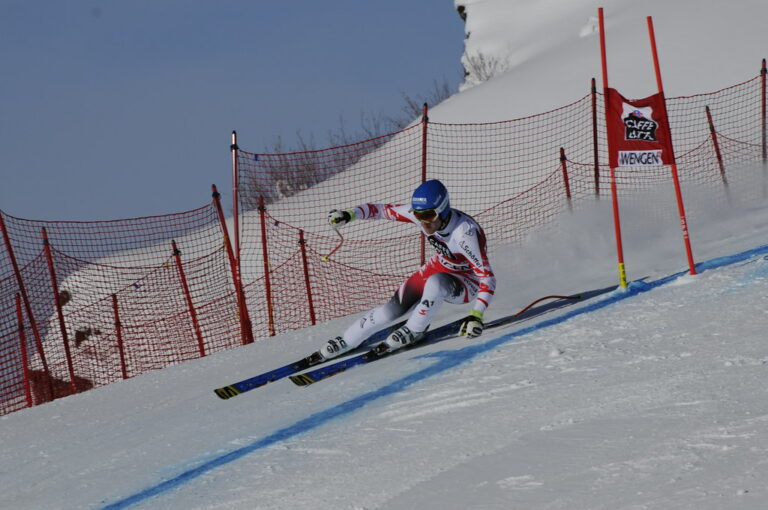
Choosing the right skiing equipment is like assembling a puzzle; every piece must fit perfectly for a smooth ride down the slopes. Your skis and poles should match your skill level, while well-fitted boots and bindings enhance control. Don’t overlook protective gear, as safety is paramount. Layering your clothing appropriately can make a significant difference in comfort. What other essentials should you consider to guarantee a successful day on the mountain?
Essential Skis and Poles

When hitting the slopes, having the right skis and poles is essential for your performance and enjoyment. Various ski types cater to different styles, such as all-mountain, freestyle, or powder skis. Choose a pair that aligns with your skill level and preferred terrain.
For instance, all-mountain skis offer versatility, while powder skis excel in deep snow.
Next, consider pole lengths: they should reach your armpits when standing upright. Properly sized poles enhance your balance and rhythm, allowing you to navigate the mountain with ease.
Ski Boots and Bindings
Having the right ski boots and bindings is vital for both comfort and control on the slopes. Proper boot fitting guarantees a snug fit, minimizing movement and maximizing responsiveness.
The right ski boots and bindings ensure comfort and control, enhancing your performance on the slopes.
For peak performance, don’t overlook binding adjustment; it’s essential for safety and ease of use.
Here are key features to take into account:
- Flex Rating: Choose a flex that matches your skill level.
- Footbed Support: Guarantee ample arch support for comfort.
- Ski Compatibility: Match your boots with the right binding type.
- Liner Quality: Look for heat-moldable liners for a custom fit.
- Adjustable Straps: Easy adjustments can enhance comfort and control.
With the right boots and bindings, you’ll feel empowered to carve freely down the mountain.
Protective Gear

After securing the right ski boots and bindings, the next step is ensuring your safety on the slopes with appropriate protective gear.
Protective gear isn’t just an option; it’s essential for your freedom to ski confidently. Consider using knee braces to support your joints and minimize the risk of injuries during sharp turns or jumps. These braces stabilize your knees, allowing you to tackle challenging terrains with ease.
Additionally, impact shorts are a smart choice for protecting your hips and tailbone from falls. They absorb shock, giving you the freedom to push your limits without worrying about painful impacts.
Equip yourself with these essentials, and you’ll feel more secure, letting you truly enjoy the exhilarating experience of skiing.
Warm Clothing Layers
To enjoy skiing to the fullest, you need to layer your clothing effectively to stay warm and comfortable. Start with thermal base layers that wick moisture away and keep your body heat in.
Next, add insulating mid layers for extra warmth without bulk.
Consider these essentials:
- Moisture-wicking thermal tops and bottoms
- Lightweight fleece or wool mid layers
- Long-sleeve shirts for added coverage
- Thermal leggings for extra warmth
- A lightweight, packable down jacket
These layers work together to trap heat while allowing flexibility and freedom of movement.
Outerwear and Accessories

While layering is essential, your outerwear and accessories play a key role in protecting you from the elements on the slopes. A high-quality ski jacket is your first line of defense against wind, snow, and cold temperatures.
Look for jackets with waterproof and breathable materials, ensuring you stay dry while allowing moisture to escape. Pair your jacket with thermal gloves that provide warmth and dexterity for handling equipment. These gloves should feature insulation and a waterproof exterior to keep your hands comfortable.
Don’t forget to choose accessories like neck gaiters or balaclavas to shield your face from harsh weather. With the right outerwear and accessories, you can maintain your freedom and focus on enjoying the ride.
Goggles and Helmets
When you hit the slopes, investing in quality goggles and a helmet can greatly enhance your safety and performance. A proper helmet fit is essential for protection, while goggles with the right lens types improve visibility in varying conditions.
Consider these features when choosing your gear:
- Anti-fog technology for clear vision
- UV protection to shield your eyes from harmful rays
- Interchangeable lenses for adapting to light changes
- Adjustable straps for a secure fit
- Ventilation systems to prevent overheating
With the right goggles and helmet, you’ll enjoy a more exhilarating experience on the mountain.
Experience the thrill of the mountain to the fullest with the right goggles and helmet for safety and style.
Prioritize both safety and freedom to fully embrace the adventure ahead!
Skiing Equipment Maintenance

Maintaining your skiing equipment is essential for ideal performance and safety on the slopes.
You should establish a regular waxing schedule, sharpen your edges effectively, and follow proper gear storage tips.
Regular Waxing Schedule
Regularly waxing your skis is essential for peak performance and longevity. To maintain your gear, establish a waxing frequency that aligns with your skiing habits.
Here are some effective waxing techniques to take into account:
- Temperature-specific wax: Choose wax based on snow and air temperature.
- Base cleaning: Clean your ski bases before applying new wax.
- Ironing method: Melt the wax evenly onto the base for ideal absorption.
- Scraping: Remove excess wax for a smooth finish and better glide.
- Brushing: Brush the base to enhance speed and reduce friction.
Edge Sharpening Techniques
To guarantee your skis perform at their best on the slopes, sharpening the edges is essential for improving grip and control.
Start by determining the appropriate edge angles for your skiing style; typically, a sharper angle enhances grip on icy terrain, while a more relaxed angle offers stability on softer snow.
Use precision sharpening tools like files or diamond stones to maintain these angles effectively. Ascertain you’re working with consistent pressure, moving from tip to tail, to avoid uneven edges.
Regularly inspect your edges for damage or dullness, and don’t hesitate to adjust your technique as needed.
With well-maintained edges, you’ll enjoy greater confidence and freedom on the mountain, allowing you to tackle any slope with ease.
Gear Storage Tips
After sharpening your edges, proper gear storage becomes essential for preserving your equipment’s performance and longevity.
To guarantee your gear is well-organized and protected, consider these storage solutions:
- Dry your gear: Ensure everything is completely dry before storage to prevent rust and mildew.
- Use a dedicated rack: Invest in a ski rack to keep your skis upright and avoid warping.
- Avoid direct sunlight: Store your gear in a cool, dark place to protect materials from UV damage.
- Check bindings: Regularly inspect and adjust bindings as needed for safety.
- Use protective bags: Store your gear in padded bags to keep them safe from scratches and impacts.
Additional Skiing Essentials

When gearing up for a day on the slopes, a few additional skiing essentials can make all the difference in your comfort and performance.
Don’t forget a good pair of ski goggles; they’ll protect your eyes from UV rays and improve visibility in varying conditions. A helmet is vital for skiing safety, so make certain it fits well.
Layering clothing keeps you warm and dry, while moisture-wicking base layers enhance comfort. Also, pack hand warmers and a small first-aid kit for emergencies.
Layering your clothing is essential for warmth and dryness, while moisture-wicking base layers elevate your comfort on the slopes.
Familiarize yourself with ski resort etiquette, like yielding to others and respecting marked trails, to guarantee a smooth experience.
These essentials let you focus on the thrill of skiing without unnecessary distractions.
Frequently Asked Questions
How Do I Choose the Right Ski Length for My Height?
How do you guarantee ideal performance on the slopes? To choose the right ski length, consult a height chart; typically, your skis should reach between your chin and the top of your head for balance and control.
What Is the Difference Between Alpine and Cross-Country Skis?
Alpine skis are designed for downhill performance, providing stability and speed, while cross-country skis prioritize efficiency and endurance on varied terrain. Understanding these ski types helps you choose based on your skiing style and freedom preference.
Can I Rent Skiing Equipment Instead of Buying?
Absolutely, you can rent skiing equipment! It’s like borrowing adventure without the weight of ownership. Rental benefits include gear affordability, letting you explore different styles without breaking the bank or committing long-term. Enjoy the freedom!
How Often Should I Replace My Ski Gear?
You should replace your ski gear every 3 to 5 years, depending on usage and wear. Regularly inspect for damage; a shorter lifespan may necessitate earlier replacement for ideal performance and safety on the slopes.
What Should I Do if My Ski Gear Breaks on the Slopes?
If your ski gear takes an unexpected vacation, don’t panic! First, assess for emergency repairs. Regular gear maintenance can help prevent mishaps. Always carry a repair kit to keep your freedom on the slopes intact.