
10 Best Plyo Boxes
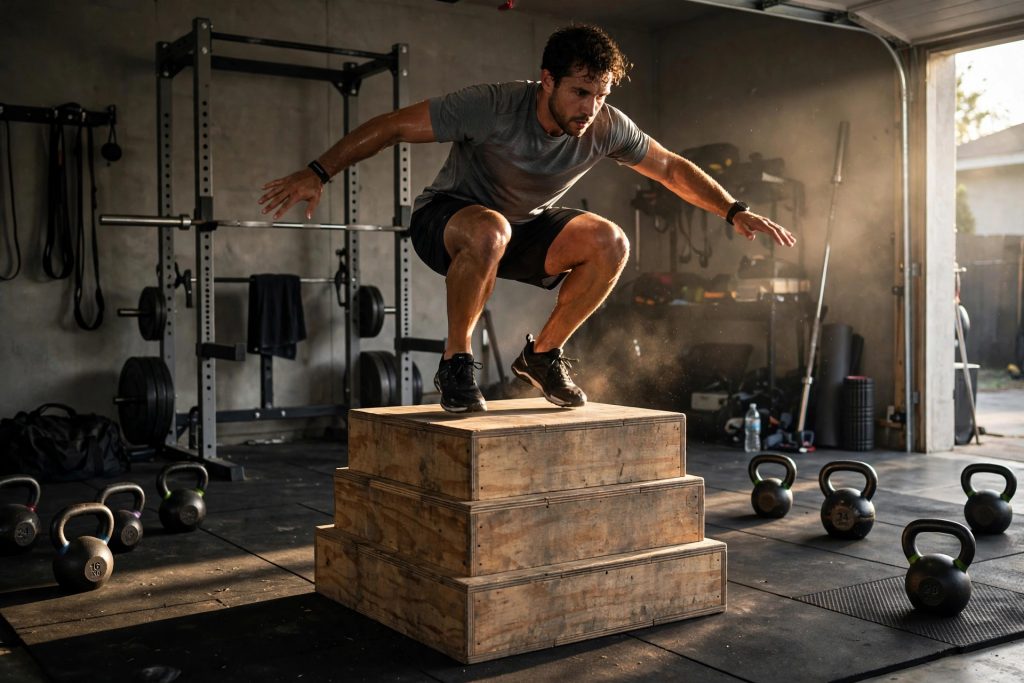
A plyo box is the single most versatile power-training tool you can put in a home gym. Box jumps, step-ups, Bulgarian split squats, dips, decline push-ups, weighted step-downs — one box covers a shocking share of lower-body and conditioning work, and it doubles as a bench substitute when you need one. For athletes, it’s the cheapest way to build genuine explosive power; for everyone else, it’s the piece of equipment that makes leg day interesting again.
The buying decision comes down to material more than anything else. Foam boxes forgive missed jumps and save your shins. Wooden 3-in-1 boxes are the classic CrossFit choice — cheap, stable, and rock-solid, but brutal on shins. Steel adjustable boxes change height in seconds and last forever. I’ve verified the specs, review histories, and editorial signals behind the ten best plyo boxes on Amazon so you can match the material to your training style. If a box jump setup is part of a bigger plan, our guide to choosing the right home gym equipment will help you fit it into a complete program.
As an Amazon Associate, I earn from qualifying purchases. Prices fluctuate — check the current price before you buy.
Top 10 Plyo Boxes at a Glance
| Product | Price | Key Spec | Dimensions | Best For | |
|---|---|---|---|---|---|
| BalanceFrom 3-in-1 Foam Plyometric Jump Box | ~$60–$85 | High-density foam, textured anti-slip top, 10 lb | 16" × 20" × 24" box | Best Overall Foam Box | CHECK PRICE |
| Yes4All 3-in-1 Wooden Plyo Box (30/24/20) | ~$100–$140 | Plywood, 450 lb capacity, built-in handles | 30" × 24" × 20" box | Best Budget Wooden 3-in-1 | CHECK PRICE |
| Yes4All 3-in-1 Foam Plyometric Jump Box (20/24/30) | ~$90–$130 | Foam, 350 lb capacity, PVC cover | 20" × 24" × 30" box | Best Tall Foam Box | CHECK PRICE |
| Synergee 3-in-1 Wood Plyometric Box (30/24/20) | ~$110–$150 | 3/4" plywood + inner supports, 450 lb capacity | 30" × 24" × 20" box | Best Build-Quality Wooden Pick | CHECK PRICE |
| Stamina X 12"–24" Adjustable Height Plyo Box | ~$130–$180 | Steel, 4 heights, ships assembled | 27" × 18" × 24" frame | Best Quick-Adjust Steel Box | CHECK PRICE |
| CAP Barbell 3-in-1 Foam Plyometric Box (20/24/28) | ~$60–$90 | Foam + weighted anti-tip core, 250 lb capacity | 20" × 24" × 28" box | Best Value Foam with Weighted Core | CHECK PRICE |
| Yes4All 3-in-1 Soft-Padded Plyo Box with Wooden Core | ~$90–$130 | Wood core + EVA foam + vinyl, 440 lb capacity | 24" × 20" × 16" box | Best Hybrid (Wood Core + Foam) | CHECK PRICE |
| REP Fitness Stackable Soft Foam Plyo Box Set (6/12/20") | ~$470–$620 | 3 ultra-dense foam boxes, Velcro stacking | 28" × 28" base per box | Best Stackable Set | CHECK PRICE |
| Amazon Basics 3-in-1 Wooden Plyo Box (16/14/12) | ~$55–$75 | Wood, 450 lb capacity, FSC-certified | 16" × 14" × 12" box | Best Beginner / Small Wooden Box | CHECK PRICE |
| VEVOR Plyometric Jump Box (Steel) | ~$45–$60 | Steel, anti-slip top, 500 lb capacity | 18" single (set options in listing) | Best Steel Platform / Stackable Steel Set | CHECK PRICE |
The 10 Best Plyo Boxes — Quick Reviews
1. BalanceFrom 3-in-1 Foam Plyometric Jump Box — Best Overall Foam Box
If you’re buying your first plyo box, buy this one. At 10 pounds it’s the easiest box here to carry and store, the textured anti-slip top stays grippy through sweaty circuits, and rotating between 16, 20, and 24 inches takes two seconds — fast enough to change heights between sets. It holds the #1 spot in Amazon’s Jumping Trainers category, which means the review base is deep enough that durability complaints would be visible if they existed.
The foam is the real selling point for beginners and home lifters training alone: a missed jump means bumping high-density foam, not a plywood corner. The trade-off is compression — foam softens gradually over a year or two of hard use, and heavier athletes should note the foam ratings top out lower than wood. For most home gyms, though, this is the box that gets used the most.
Key specs: High-density foam, PVC cover · 16″/20″/24″ rotate-to-adjust · textured anti-slip top · 10 lb · 2-year warranty · ~$60–$85
2. Yes4All 3-in-1 Wooden Plyo Box (30/24/20) — Best Budget Wooden 3-in-1
The classic CrossFit-style box at the cheapest credible price. Three heights (20, 24, 30 inches) in one flip, a 450-pound capacity, smooth sanded edges, and built-in handles — it checks every spec box the premium wooden boxes check, for roughly half the cost of a branded equivalent. It sits at #2 in Amazon’s Jumping Trainers category, so the value reputation is buyer-tested at scale.
Wood is uncompromising: it never compresses, never tips, and handles years of abuse — but it returns nothing on a missed jump. This is the box for athletes who already have decent box-jump mechanics and want competition-standard heights without paying competition-brand prices. Assembly takes about half an hour with a drill.
Key specs: High-grade plywood · 30″/24″/20″ flip-to-adjust · 450 lb capacity · sanded edges + built-in handles · 1-year warranty · ~$100–$140
3. Yes4All 3-in-1 Foam Plyometric Jump Box (20/24/30) — Best Tall Foam Box
Most foam boxes top out at 24 inches; this one gives you a true 30-inch competition height in soft form. That makes it the rare foam box that works for advanced jumpers — you can train max-effort box jumps without the shin terror of wood, since the PVC-covered foam cushions the inevitable bad landings on the way up. It’s been selling since 2018 with a steady review history, so the design is proven.
The cost is size: it’s a bigger, heavier box (~30+ lb) than the 16/20/24 foam boxes, so it’s less apartment-friendly to stash in a closet. The 350-pound capacity is also the highest of the pure-foam picks here. If your jump height is past 24 inches and you still want forgiving landings, this is the obvious choice. Make sure you have room to store it — see our guide to how much space you need for a home gym before ordering.
Key specs: High-density foam, slip-resistant PVC cover · 20″/24″/30″ rotate-to-adjust · 350 lb capacity · 1-year warranty · ~$90–$130
4. Synergee 3-in-1 Wood Plyometric Box (30/24/20) — Best Build-Quality Wooden Pick
Synergee is a CrossFit-accessories brand lifters actually trust, and it shows in this box’s construction: 3/4-inch plywood with inner supports on the larger sizes, puzzle-style assembly with pre-drilled holes, and a 450-pound rating that reviewers confirm holds up under daily WOD use. The 30/24/20 configuration covers warm-up, working, and testing heights in one box.
You pay a modest premium over the Yes4All wooden equivalent for the brand engineering and customer support — worthwhile if this will see daily garage-gym use. The honest downside is the same as every wooden 3-in-1: at 47 pounds with sharp corners, it lives where you put it, and missed jumps still draw blood. It’s a training tool for people with the mechanics to match.
Key specs: 3/4″ plywood + inner supports · 30″/24″/20″ flip-to-adjust · 450 lb capacity · pre-drilled holes + screws included · 1-year warranty · ~$110–$150
5. Stamina X 12″–24″ Adjustable Height Plyo Box — Best Quick-Adjust Steel Box
The Stamina X is the only box here that changes height in seconds — pull the pins, move from 12 to 16 to 20 to 24 inches, done. No flipping a 47-pound wooden box, no rotating foam mid-circuit. It arrives fully assembled, the steel frame handles 300 pounds, and the 25.5″ × 15.5″ non-slip platform is textured for grip. Stamina includes a workout guide and app access, which is a nice touch for programming your jump sessions.
The platform is narrower than a wooden box top, so foot placement precision matters — and the 300-pound capacity is the lowest here, ruling out weighted vest work for heavier athletes. But for mixed-height circuit training and small spaces where you can’t store multiple boxes, nothing else adjusts this fast. It’s historically carried Amazon’s Choice for “plyo box” for good reason.
Key specs: Heavy-duty steel frame · 12″/16″/20″/24″ pin-adjust · non-slip 15.5″ × 25.5″ platform · 300 lb capacity · ships assembled · workout guide + app · ~$130–$180
6. CAP Barbell 3-in-1 Foam Plyometric Box (20/24/28) — Best Value Foam with Weighted Core
This is the cheapest legitimate foam 3-in-1 on the list — frequently seen around $68 — and CAP gave it a feature nobody else at this price has: a weighted core that resists tipping when you land off-center. The 20/24/28 height spread sits nicely between the beginner 16/20/24 boxes and the tall 20/24/30 class, and the PVC cover keeps sweat from soaking in during HIIT circuits.
The trade-off for the price is the 250-pound capacity, the lowest here — heavier athletes should step up to a 330+ pound foam box. Also note that CAP sells rubber-textured and wooden 3-in-1 boxes under near-identical titles, so confirm the foam version at checkout. At this price, though, it’s the best starter foam box for lighter jumpers.
Key specs: High-density foam, PVC cover · 20″/24″/28″ rotate-to-adjust · 250 lb capacity · weighted anti-tip core · 16.5 lb · ~$60–$90
7. Yes4All 3-in-1 Soft-Padded Plyo Box with Wooden Core — Best Hybrid (Wood Core + Foam)
Why choose between foam and wood when you can have both? This Yes4All wraps a solid wooden core in EVA foam under a vinyl cover, so it jumps with wood-like stability but cushions missed landings like foam. The 440-pound capacity beats every pure-foam box here, and it topped bestproductsreviews’ September 2026 plyo box ranking — the hybrid format is having a moment for good reason.
It’s sold in several size variants, so confirm your intended size at checkout — the linked family includes the 24/20/16 and smaller options. The vinyl cover needs an occasional wipe-down if you’re training in a humid garage, but that’s the only real maintenance. For lifters who want one box that both protects shins and handles heavy step-ups and dips, this is the sweet spot.
Key specs: Wooden core + EVA foam + vinyl cover · rotate-to-adjust (24/20/16 variant) · 440 lb capacity · non-slip cover · 1-year warranty · ~$90–$130
8. REP Fitness Stackable Soft Foam Plyo Box Set (6″, 12″, 20″) — Best Stackable Set
REP Fitness took the stackable-aerobic-step concept and built it for serious plyometrics. Three ultra-dense foam boxes — 6, 12, and 20 inches — Velcro together on all four sides, giving you stackable heights of 26, 32, or 38 inches. The density matters: the 20-inch box weighs 75 pounds, so unlike cheap foam boxes, these don’t slide or tip when you land on an edge — Garage Gym Reviews confirmed exactly that in testing.
This is premium equipment at a premium price — the set costs what several wooden boxes would. But for coaches, physical therapy setups, or home gyms where multiple people train at different levels, one set replaces a whole fleet of boxes, and the 28″ × 28″ bases double as stable platforms for hip thrusts, dips, and box squats. Individual sizes are also sold separately if you want to build the set over time.
Key specs: 3 ultra-dense foam boxes (6″/12″/20″) · Velcro stacking on all sides · 28″ × 28″ base per box · cross-stitched handles · heavy-duty vinyl · stacks to 26″/32″/38″ · ~$470–$620
9. Amazon Basics 3-in-1 Wooden Plyo Box (16/14/12) — Best Beginner / Small Wooden Box
Most wooden boxes assume you’re already jumping 24 inches. This one doesn’t — the 12/14/16 height range is perfect for first box jumps, weighted step-ups, rehab-style progressions, and athletes who do their conditioning on a box. Amazon Basics’ build is straightforward: pre-drilled holes, sanded edges, built-in handles, FSC-certified wood, and a 450-pound capacity that embarrasses boxes twice its price.
At roughly $60, it’s the cheapest path into a real wooden plyo box, and the Amazon Basics backing means returns are painless. The obvious limit is the 16-inch ceiling — once your box jump passes it, you’ll need a taller box. But as a first box, a travel-friendly step-up platform, or a complement to a tall foam box, it’s hard to beat. Pair it with the best leg press machines for home gym picks and your lower body is fully covered.
Key specs: Wood · 16″/14″/12″ flip-to-adjust · 450 lb capacity · sanded edges + built-in handles · pre-drilled holes · FSC-certified · ~$55–$75
10. VEVOR Plyometric Jump Box (Steel) — Best Steel Platform / Stackable Steel Set
VEVOR’s steel box is the industrial option: powder-coated alloy steel with a textured anti-slip silicone top, rubber foot pads that protect floors, and a 500-pound capacity — the highest on this list. The trapezoidal design stacks for storage, and the same listing family offers a 12/18/24 set for gyms that want progressive heights. It holds #5 in Amazon’s Jumping Trainers category, which is unusual territory for a steel box.
Steel is the least forgiving material here — shin discipline is non-negotiable — but it’s also the most durable, weather-resistant, and capacity-rated. This is the box for outdoor training, commercial-ish home gyms, and heavy athletes doing weighted step-ups. The linked listing is a parent page with multiple sizes and sets, so confirm your intended configuration at checkout.
Key specs: Powder-coated alloy steel · textured anti-slip silicone top · 500 lb capacity · rubber foot pads · trapezoidal stackable design · 12″/18″/24″ set options · tool-free assembly · ~$45–$60 single / ~$120–$170 set
How to Choose Plyo Boxes
- Pick your height by your jump, not your ego. Start with a box you can land on softly with quiet feet — typically 16–20 inches for beginners, 20–24 for intermediates, 24–30 for advanced. Landing loud means the box is too tall; drop down until your landings are silent. You can always progress up.
- Foam vs. wood vs. steel. Foam forgives missed jumps and saves shins — ideal for learning, solo training, and HIIT circuits. Wood is stable, cheap, and indestructible but punishes mistakes. Steel adjusts fastest and carries the most weight but demands good mechanics. Beginners: foam. Experienced jumpers: wood or steel.
- 3-in-1 rotation vs. true adjustability. Wooden 3-in-1 boxes give three heights by flipping, which takes seconds but interrupts circuit flow. The Stamina X changes height with pins in seconds without moving the box; stackable sets change height by adding boxes. For varied circuits, pin-adjust or stackable wins.
- Check weight capacity honestly. Foam boxes range from 250 to 350 pounds; wood and steel run 400–500. If you’re a heavier athlete, plan to do weighted step-ups, or have a partner land beside you, buy capacity headroom — the CAP’s 250-pound rating is a real constraint, not a suggestion.
- Stability beats specs. Tip-resistant design matters more than a 50-pound capacity difference: weighted cores (CAP), ultra-dense heavy foam (REP), and wide 28″ × 28″ bases all keep the box planted when you land off-center. Narrow platforms like the Stamina’s 15.5″ top demand precise footwork.
- Price reality. Small wooden boxes run $55–$75, full-size wooden 3-in-1s $100–$150, foam 3-in-1s $60–$130, adjustable steel $130–$180, and stackable foam sets $470–$620. A single $100 box covers 90% of plyometric training — spend more only when you need multiple heights daily. Our all-in-one home gym equipment guide shows where a plyo box fits in a full setup.
FAQs
What size plyo box should a beginner start with? Start with a 16- or 20-inch box and the foam material if you’re training alone. The right height is the tallest box you can land on with soft, quiet feet and a controlled landing — if your landings are loud or your knees cave, drop down. Most people progress from 16″ to 24″ within a few months of consistent jumping, so a 16/20/24 foam box or a 12/14/16 wooden starter box is the right first purchase.
Are foam or wooden plyo boxes better? Neither is universally better — they solve different problems. Foam is better for beginners, solo trainers, HIIT circuits, and anyone worried about shin injuries, because missed jumps are forgiving. Wood is better for experienced jumpers, heavy step-ups, and dips, because it’s cheaper, more stable, and never compresses. If you can only buy one and your mechanics aren’t dialed in, foam is the safer choice; the hybrid wood-core-plus-foam boxes split the difference well.
How do I do box jumps safely? Land softly with both feet at the same time, knees tracking over toes, and stand up fully on the box before stepping (not jumping) down. Step down — rebounding off the box multiplies impact forces and is where most injuries happen. Keep the box against a wall or on rubber flooring so it can’t slide, clear the area around it, and never jump to a height you can’t land quietly on. Warm up your ankles, calves, and hips first.
Do plyo boxes wear out? Wooden and steel boxes last essentially forever with normal use — check screws on wooden boxes yearly and tighten as needed. Foam boxes gradually compress under repeated high-impact use; expect 1–3 years of heavy use before a soft foam box feels noticeably softer, while vinyl covers can be wiped clean indefinitely. Store foam boxes indoors out of direct sunlight to slow breakdown.